James Baldwin's Another Country
New York in the late 1950s. Race, love, sexuality, violence, and the connections between them. Baldwin's third novel is one of the great American books.
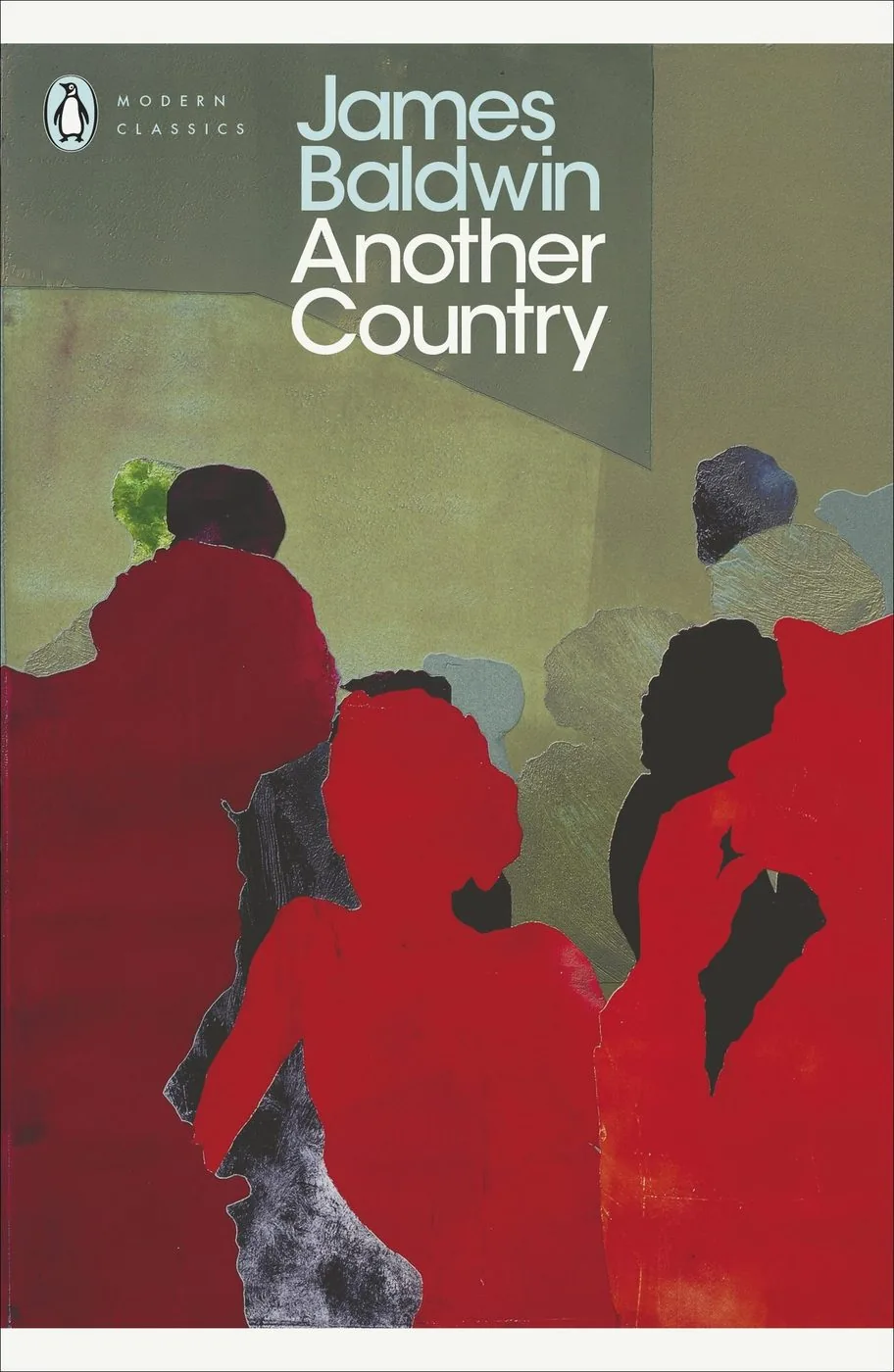
The first thing that happens in Another Country is Rufus Scott. He is a Black jazz drummer from Harlem, beautiful and talented, and by the end of the story he is dead — jumped from the George Washington Bridge. The rest of the novel is what his death does to the people who loved him.
The world Baldwin made
Baldwin's New York is a city of impossible crossings: across race, across sexuality, across class. His characters — white and Black, straight and gay, artists and drifters — attempt to know each other fully and cannot, not because they are bad people but because the city, the country, the century will not allow it. The violence in the book is not dramatic. It is the quiet violence of a society that cannot bear honesty about desire.
The language
Baldwin's prose is the most musical in American fiction after Faulkner — and easier to live inside. His sentences move with the logic of feeling rather than argument. When he describes a jazz performance or the moment before a relationship breaks, the language lifts. It does not describe music; it becomes it.
“People can't, unhappily, invent their mooring posts, their lovers and their friends, anymore than they can invent their parents. Life gives these and also takes them away.”
Baldwin wrote this novel while living in Istanbul. It was controversial on publication in 1962. It has not aged a day.
Devastating and necessary. One of the great American novels — Baldwin writing at the pitch of full power about everything that mattered.
If this was useful, buy me a coffee.
Flash fiction and poetry in the tradition of what you just read. Written on the road. Over 1,200 readers. Free.
Read and subscribe →