Five Memoirs to Read Before You Die
Five memoirs that changed the form and stayed with their readers. Patti Smith, Bukowski, Hemingway, Maya Angelou and Joan Didion, picked honestly, no filler.
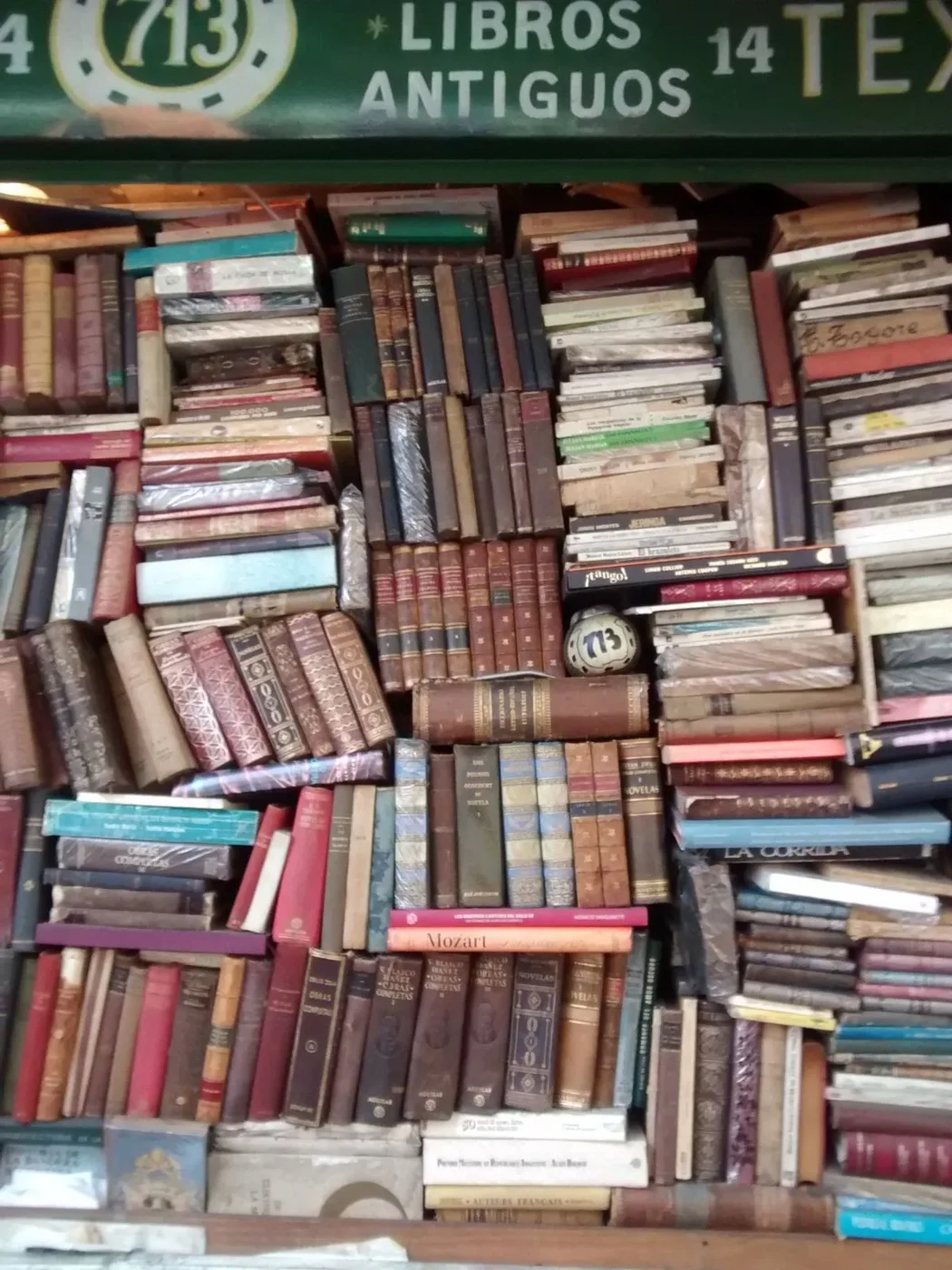
Memoir is the most honest form of fiction we have. Every memoir lies a little because our memories change over time as we change. But the best ones tell the truth about what it felt like to be alive inside a particular body, in a certain space at a certain time. To represent that kind of truth is hard. Most memoirs fail through abundant telling. But a few do not.
These following five are books I return to over time. The ones I press into the hands of friends who ask where to start when we chat about who to read next. If you read only five memoirs in your life, read these. They will teach you more about the human condition than most novels.
Just Kids by Patti Smith
Patti Smith’s Just Kids is the book I recommend more than any other. It won the National Book Award in 2010 and it deserved every inch of praise. On the surface it is the story of Smith’s friendship with the photographer Robert Mapplethorpe in late-sixties and early-seventies New York. Underneath it is a book about how two young people decide to become artists and what it costs them, and what it gives back.
Smith writes the way she sings. Spare, direct, lit from inside. She does not romanticise the poverty, the cold rooms at the Chelsea Hotel, the hunger (metaphoric and literal). She just shows you. When Mapplethorpe dies she honours a promise she made to him years earlier to write their story, and the whole book becomes an act of love shared across time.
Read it for the sentences. Read it for the portrait of a New York that no longer exists. Read it because it is, quietly, one of the great love stories of the twentieth century.
Ham on Rye by Charles Bukowski
Ham on Rye is Bukowski’s autobiographical novel, and if you want to split hairs about whether that counts as memoir, go ahead, but this list would be poorer without it. It covers his childhood and adolescence in Depression-era Los Angeles, the beatings from his father, the acne that nearly destroyed him, the first drink, first fight, fuck–all of it shaping the Henry Chinaski voice, one that carried him through ten more books.
What makes it a memoir in everything but name is the refusal to soften anything. Bukowski does not make himself the hero. He makes himself a scared, furious, ugly kid who discovers that the world is largely cruel and that writing is one of the only ways to survive it. The prose is flat, plain, almost bored in tone, which is exactly why it hits so hard. He does not need adjectives. The facts of life are plenty enough.
If you have ever been the kid in the corner who nobody picked to play with them then this book will find you in a way people didn’t. It is funnier than people remember, too. Much funnier. And this lends itself to tragic comedy.
A Moveable Feast by Ernest Hemingway
Hemingway wrote A Moveable Feast at the end of his life, looking back at 1920s Paris when he was young and broke and working out how to write and eat. It was published after his death, in 1964, and it remains the best book ever written about being a writer in a city you cannot afford.
You get Gertrude Stein, Ezra Pound, Scott Fitzgerald, Sylvia Beach and her bookshop, the cafés, cold flats, horse races. You get Hemingway inventing the sentences that would change English prose. The famous lines about hunger and writing in warm Paris cafés are in here. So is the cruellest portrait of Fitzgerald ever committed to paper by a friend.
The Paris of this book is not the Paris of tourism. It is a working city full of working writers, and Hemingway captures the texture of that life with the kind of clarity he spent his whole career chasing. If you want to understand where modern literary memoir comes from, it’s here.
I Know Why the Caged Bird Sings by Maya Angelou
Maya Angelou’s I Know Why the Caged Bird Sings came out in 1969 and changed what a memoir could do. It tells the story of her childhood in segregated Arkansas, the trauma she carried, the years of silence that followed, and the slow reclaiming of her own voice through books and teachers and the stubborn love of her grandmother.
Angelou writes in long, musical sentences that owe something to poetry and something to the Black church and something entirely her own. She refuses to flinch from the worst of what happened to her, and she refuses to let it be the whole story. The book is about recovery as much as it is about injury. It is about how a child finds a way to become herself when the world is telling her she is nothing.
It is also one of the most widely banned books in American history, which should tell you everything about how much truth is packed into its pages. Read it. Give it to a teenager you love to read it and tell them to thank you later and pass it on.
The Year of Magical Thinking by Joan Didion
Joan Didion’s The Year of Magical Thinking is the book about grief. Her husband, the writer John Gregory Dunne, died of a heart attack at their dinner table in December 2003, while their daughter lay in a coma in hospital. Didion wrote this book in the year that followed, and it is the most honest account of what loss does to a working mind that I have ever read.
The title comes from small delusions the grieving builds to keep the dead alive. She cannot give away his shoes because he will need them when he comes back. She replays the day trying to find the moment she could have stopped it. Didion, the most cold-eyed prose stylist of her generation, watches herself do all of this and writes it down.
The book is short. You can read it in an afternoon. It will stay with you for decades. If you have lost someone, it will be a companion. If you have not, it will prepare you for when you do.
Why these five
I could have picked fifty if honest. But I chose these five giants because each one does something the form needed and nobody had explored quite that way before. Smith wrote a love letter across death. Bukowski refused to lie about being a child. Hemingway turned a notebook into a city. Angelou made a weapon out of her own voice. Didion mapped grief in real time.
They are also, all five, books about survival. That is not an accident. The best memoirs are written by people who had to write them to keep going.
If you read these in order, you will see the form change shape across a century. You will see what memoir can do when it stops apologising for being personal. And you will see five writers at the absolute top of their craft, writing about the only subject any of us really know anything about, which is our own lives.
Start with Just Kids. Then see where it takes you.
Frequently asked
What is the best memoir of all time?
There is no single answer, but Just Kids by Patti Smith, A Moveable Feast by Ernest Hemingway, and The Year of Magical Thinking by Joan Didion appear on almost every serious list. Of the three, Just Kids is the one I recommend first.
What memoirs should I read before I die?
Start with these five: Just Kids by Patti Smith, Ham on Rye by Charles Bukowski, A Moveable Feast by Ernest Hemingway, I Know Why the Caged Bird Sings by Maya Angelou, and The Year of Magical Thinking by Joan Didion. They cover love, childhood, art, injustice and grief, and each one changed the form.
Is Ham on Rye a memoir or a novel?
Technically a novel, but Bukowski based it directly on his own childhood in Los Angeles. It is autobiographical fiction, and most readers treat it as memoir.
What is the best memoir about grief?
The Year of Magical Thinking by Joan Didion. It is the most clear-eyed account of losing a spouse in modern literature.
What memoir should I read to learn to write?
A Moveable Feast by Ernest Hemingway. It is a book about becoming a writer, written by one of the most influential prose stylists of the twentieth century.
Are these memoirs good for beginners?
Yes. All five are accessible, none are academic, and all five can be read in a few sittings. Just Kids and The Year of Magical Thinking are the easiest starting points.
If you buy a book through the links on this page, tumbleweedwords.com earns a small commission at no extra cost to you. It helps keep the site running. Thank you.
Flash fiction and poetry in the tradition of what you just read. Written on the road. Over 1,200 readers. Free.
Read and subscribe →