Doris Lessing's The Fifth Child
The Lovatt family have built a perfect life: big house, many children, warmth and order. Then Ben arrives. Lessing's horror story never announces itself as one — it just gets colder and colder.
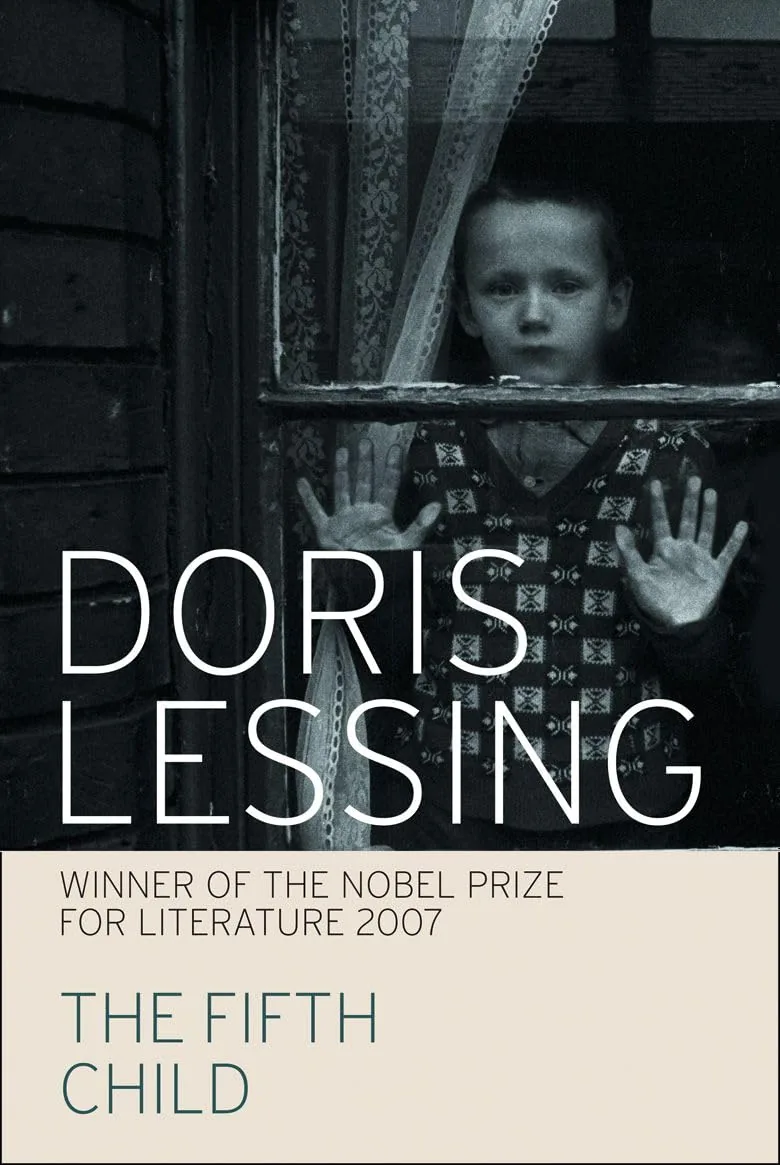
Harriet and David Lovatt want to live differently from everyone around them. More children, more family, more love. They buy a large Victorian house in the English countryside and fill it with warmth, relatives, and purpose. For several years, it works. Then Harriet falls pregnant for the fifth time.
The arrival of Ben
Even in the womb, Ben is wrong. He kicks with something beyond ordinary strength. When he arrives, he is pale, heavy, expressionless — not quite like other children. He does not play. He watches. The other children are afraid of him. The family contracts around him, then disperses. The warmth that Harriet and David had built is dismantled, slowly, without drama, by one child who simply does not fit.
What Lessing does that no one else could
This is a horror story written entirely in the language of domestic realism. Nothing supernatural happens. Lessing never explains Ben — never says what he is, why he is, what should be done about him. She simply records what a family does when love runs out, and it is more frightening than any ghost story because it is entirely plausible. The real horror is not Ben. It is what the family does to survive him.
“She was trying to be fair, trying to maintain some balance. But what was fair when nothing was fair?”
Lessing won the Nobel Prize in 2007. The Fifth Child is 133 pages. It is one of the most precisely disturbing things in British fiction.
Quietly devastating. One of the great British novels of the twentieth century, dressed up as something smaller than it is.
If this was useful, buy me a coffee.
Flash fiction and poetry in the tradition of what you just read. Written on the road. Over 1,200 readers. Free.
Read and subscribe →