Baudelaire's The Flowers of Evil
The collection that defined what poetry could be after Romanticism. Spleen, beauty, sin, the city, the flesh. Baudelaire invented modern poetry and was put on trial for it.
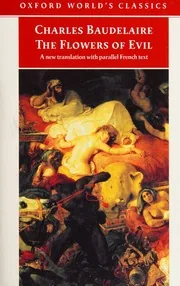
When The Flowers of Evil was published in Paris in 1857, a court convicted Baudelaire of offending public morality and ordered six poems removed. It is the best review a poetry collection has ever received.
What Baudelaire did
He took the subject matter of Romanticism — beauty, love, death, transcendence — and refused to redeem any of it. The beauty in these poems is rotting. The love is tied to boredom and disgust. The city is ugly and magnetic simultaneously. Baudelaire was the first major poet to look at the modern city and see it honestly: the crowds, the prostitutes, the gaslight, the ennui, the extraordinary flashes of grace inside all of it.
The spleen
The key word in the collection is spleen — Baudelaire's term for a specific modern melancholy, the feeling of being alive in a world that no longer provides adequate meaning. It is not depression. It is consciousness. The poems that explore it are the most modern things in nineteenth-century literature.
“I have felt the wind of the wing of madness.”
Rimbaud, Verlaine, Eliot, Ginsberg, Plath — they all begin here. There is no modern poetry without this book.
The collection that launched modern poetry. Still shocking, still beautiful, still the standard everything written since is measured against.
If this was useful, buy me a coffee.
Flash fiction and poetry in the tradition of what you just read. Written on the road. Over 1,200 readers. Free.
Read and subscribe →